
Industry Standard丨Laboratory Diagnostic Criteria for Infectious Diarrhea
Recently, the National Health Commission officially released WS/T 498-2026 “Laboratory Diagnostic Criteria for Infectious Diarrhea”, which will be fully implemented on November 1, 2026.
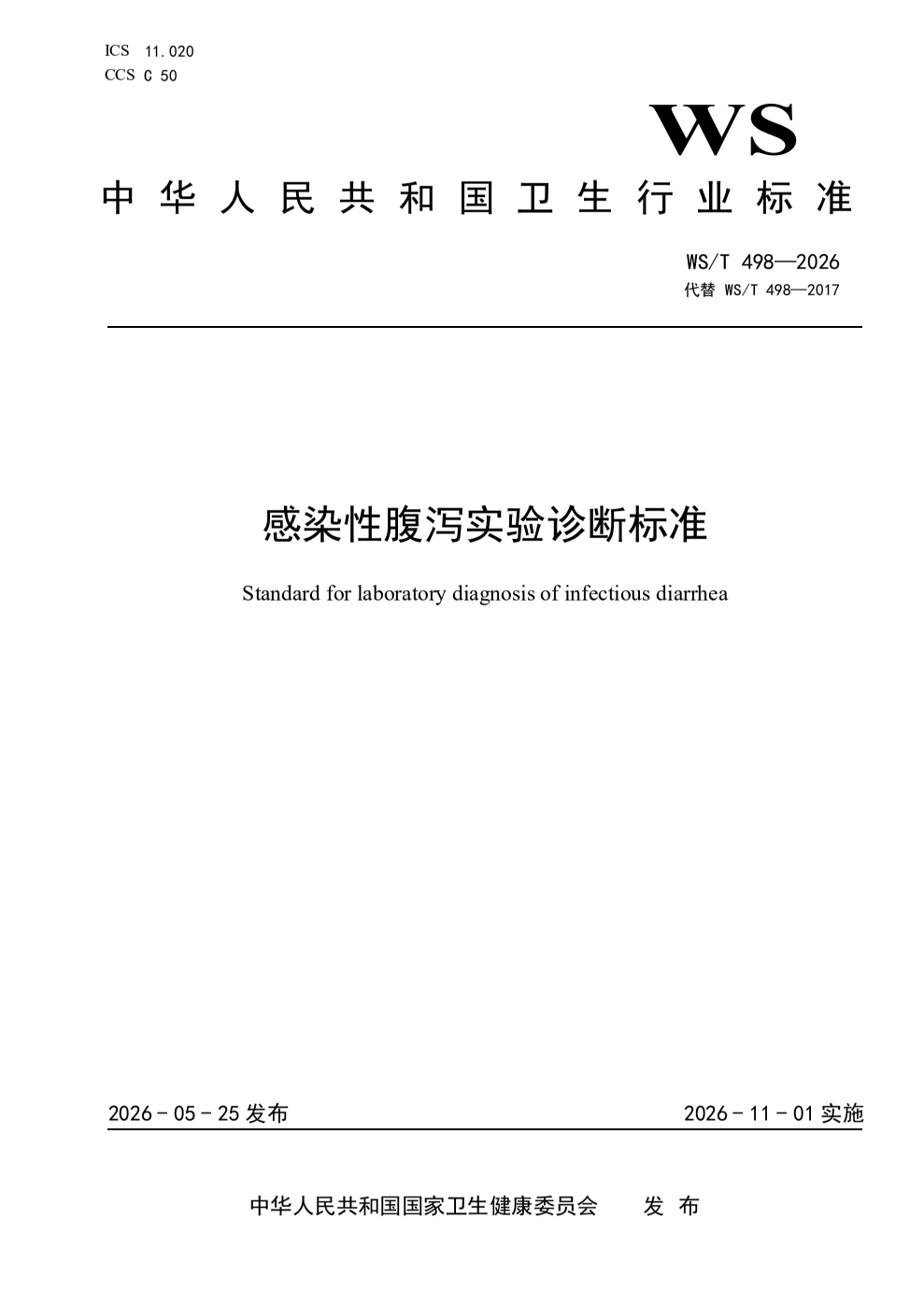 The standard explicitly expands the testing technology system, listing droplet digital PCR, real-time fluorescent PCR, multiplex PCR, and other methods as the primary nucleic acid detection approaches for special pathogen detection. In particular, targeting industry pain points such as the complex matrix of stool specimens, abundant inhibitors, and the tendency for low-load pathogens to be missed, the standard highlights the application value of digital PCR, driving the iteration and upgrading of infectious diarrhea testing from “qualitative screening” toward “precise quantification and multiplex combined detection”
 TargetingOne Instrument Platform
TargetingOne possesses a fully domestically-produced, whole-chain droplet digital PCR integrated platform, with multiple products already granted medical device registration certificates, fully aligning with the WS/T 498-2026 laboratory diagnostic criteria for infectious diarrhea. For common complex specimens of infectious diarrhea such as stool, rectal swabs, and body fluids, digital PCR exhibits strong tolerance to amplification inhibitors and overall sensitivity superior to traditional fluorescent PCR, enabling effective detection of low-load intestinal pathogens. It fully satisfies multiple technical requirements in the standard, including early infection screening, re-testing of suspicious specimens, virulence gene detection, and pathogen load monitoring
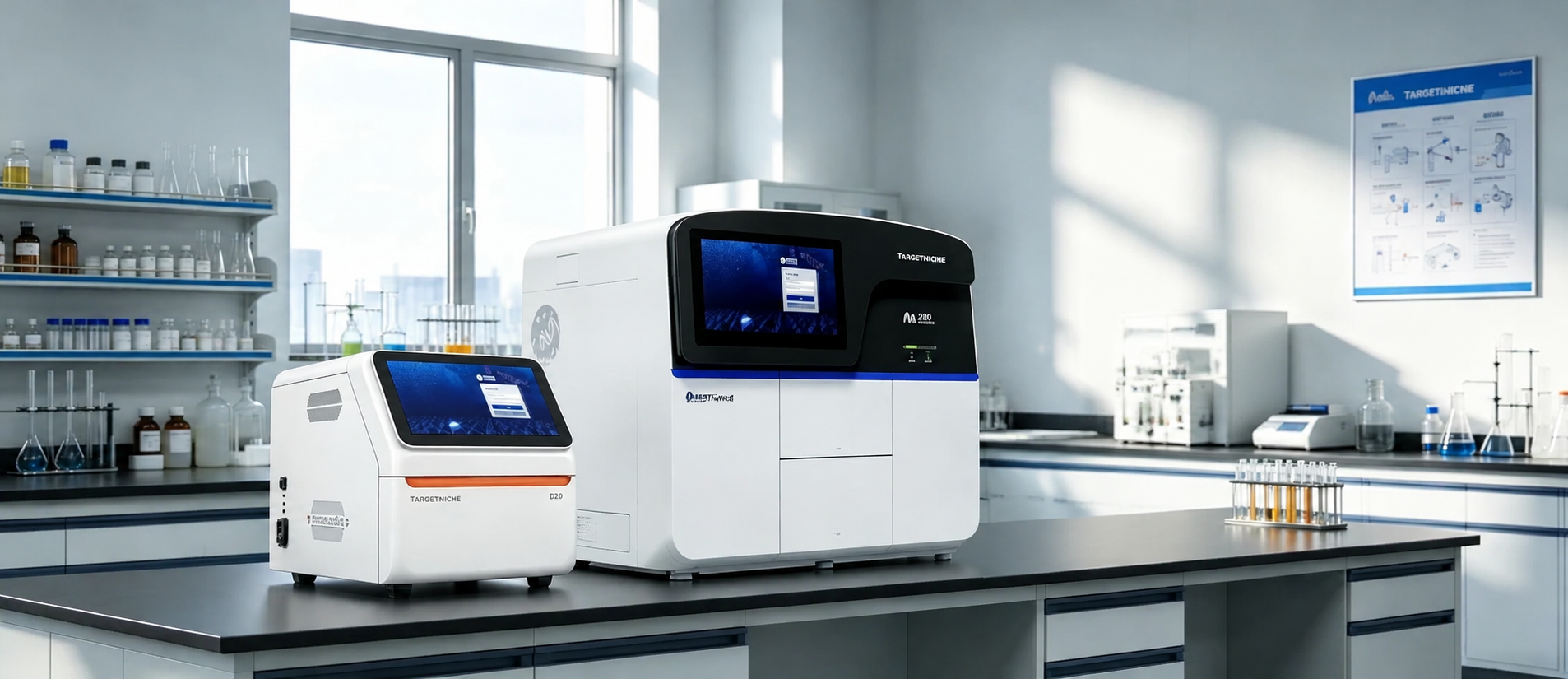 At present, the TargetingOne digital PCR platform has formed a complete product matrix. Paired with dedicated intestinal pathogen nucleic acid detection reagents, it builds an integrated instrument + reagent solution, comprehensively covering all clinical scenarios of infectious diarrhea specimen screening, nucleic acid detection, and load quantification, helping medical institutions strictly comply with industry standards and achieve standardized, precise laboratory diagnosis of infectious diarrhea